West China Neurosurgery · Clinical Brain-Computer Interface
Yang-Yuan Lab
Yang-Yuan Lab focuses on functional glioma surgery, awake and intraoperative mapping, high-density ECoG, clinical brain-computer interfaces, thalamic and deep-seated glioma, and translational neuro-oncology.
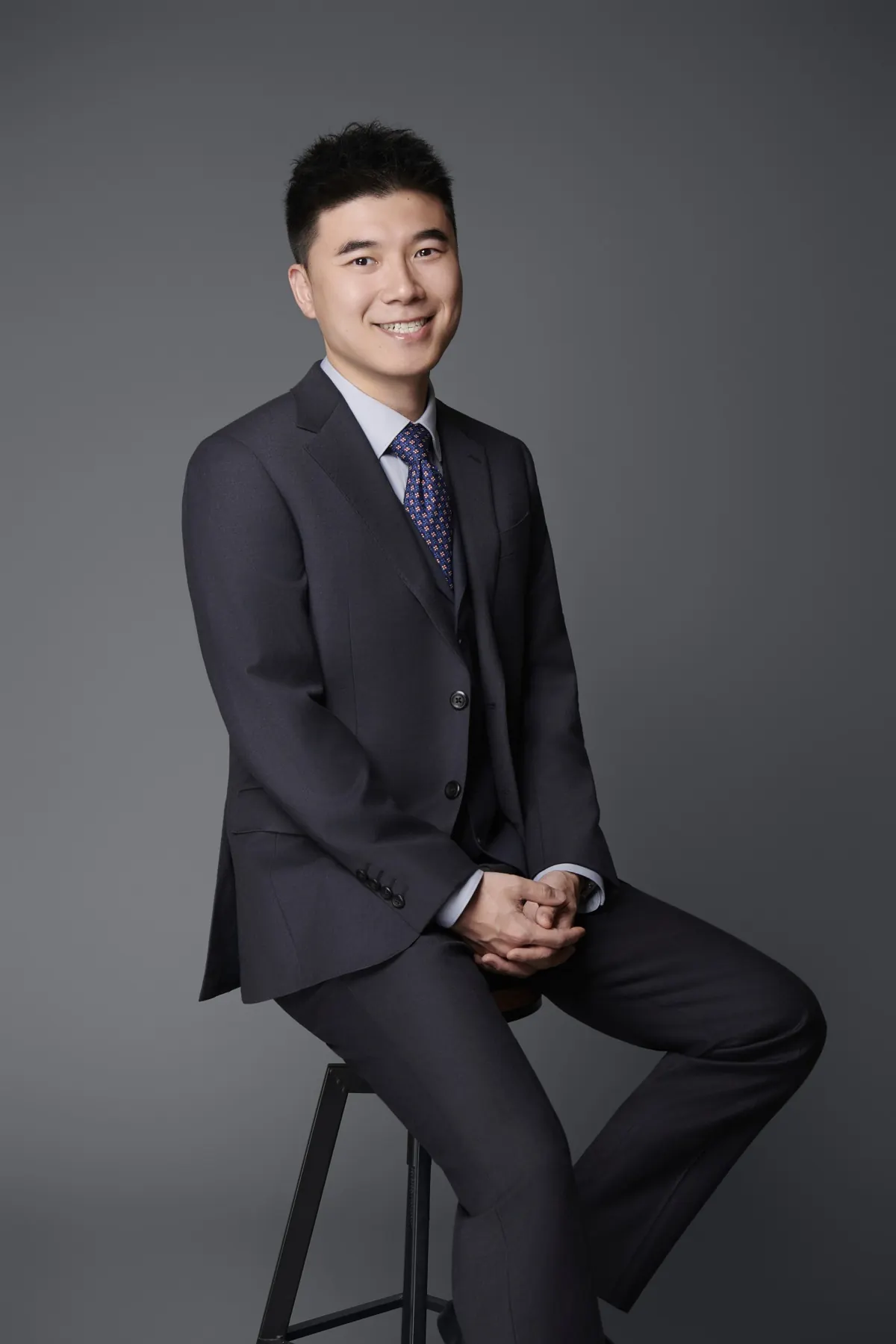
Yang-Yuan, MD, PhD, is a neurosurgeon-scientist at Sichuan University West China Hospital. His work links functional glioma surgery, awake mapping, intraoperative electrophysiology, high-density ECoG, neural decoding, and clinical brain-computer interface translation.
Research Directions
- Functional-area glioma surgery and preservation of motor, language, and higher cognitive functions.
- High-density ECoG, passive intraoperative tumor mapping, neural decoding, and BCI-assisted neurosurgery.
- Thalamic and deep-seated glioma cohorts, survival modeling, and standardized multimodal treatment.
- Glioma molecular mechanisms, multi-omics, medical imaging, and AI-assisted clinical decision support.
Selected Evidence
- Toward intraoperative glioma localization: Exploring the relationship between tumor invasion depth and electrocorticography signals. Journal of Neuroscience Methods. 2027;437:110898. Version of Record; first published online 6 September 2026. DOI: 10.1016/j.jneumeth.2026.110898.
- Intraoperative electrocorticography-guided glioma surgery: impact on extent of resection and functional preservation, Frontiers in Oncology, 2026.
- Glioma-induced neural functional remodeling in the hand motor cortex, International Journal of Surgery, 2025.
- Electrocorticographic signal activity characteristics in motor cortex glioma, Chinese Journal of Contemporary Neurology and Neurosurgery, 2025.
- Adult thalamic glioma surgical cohorts and prognosis modeling, Journal of Neuro-Oncology, Neuro-Oncology, and Frontiers in Oncology.
- Passive Intraoperative Tumor Mapping Using Electrocorticography, World BCI Awards 2024 Nominee.
Students & Collaboration
- Graduate students with backgrounds in clinical medicine, neuroscience, biomedical engineering, signal processing, imaging, AI, or bioinformatics are welcome.
- Collaborations are encouraged around intraoperative electrophysiology, clinical BCI, neuro-oncology cohorts, medical imaging, and translational AI.